
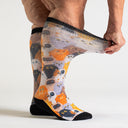
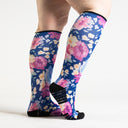


Compression socks are supposed to feel snug. After all, that close, supportive fit is part of what makes them different from the everyday socks already sitting in your drawer.
But snug isn’t the same as uncomfortable. If you’ve ever pulled on a pair and wondered, Are my compression socks too tight?, you’re definitely not alone. Finding the right fit can take a little trial and error, especially if you’re new to compression socks.
Paying attention to how your socks fit, feel, and stay in place can tell you a lot. Here’s what to look for—and how Viasox makes finding comfortable compression easier.
How Tight Should Compression Socks Feel?
A well-fitting compression sock should feel noticeably more snug than a traditional sock. That doesn’t mean it should feel like you’re fighting with your socks all day.
Ideally, compression socks should feel:
- Snug and secure
- Smooth against your legs and feet
- Comfortable enough for your intended wear time
- Secure without constantly rolling, bunching, or shifting
Viasox offers a wide selection of compression socks designed to combine that snug compression feel with everyday comfort, so you don’t have to choose between support and socks you actually enjoy wearing.
The important word here is comfortable. If all you can think about is how tight your socks feel, it may be worth looking at the fit again.
5 Signs Your Compression Socks May Be Too Tight
So how can you tell whether your compression socks are doing their job or the fit isn’t right for you?
1. You Can't Wait to Take Them Off
Compression socks are designed to feel different from loose everyday socks, but wearing them shouldn’t become the thing you dread most about your outfit.
If you're constantly thinking about taking your socks off because they feel excessively restrictive or uncomfortable, check the sizing and fit. Sometimes the best clue is simply listening to your own comfort level.
2. The Fabric Is Bunching or Folding
Tighter doesn’t automatically mean better. Compression socks should lie relatively smoothly against the foot and leg. If the fabric folds over, bunches in certain areas, or creates uncomfortable pressure points, you may not be getting the fit you intended.
Before blaming the sock itself, make sure you've put it on properly. Taking a little extra time to smooth the fabric as you go can make a big difference.
3. The Top Band Feels Uncomfortably Restrictive
A sock that stays up? Great. A sock you're constantly aware of because the top feels excessively tight? Not so great.
The upper portion should feel secure without making you spend the entire day wishing you could pull it away from your leg. This is also one reason proper sizing matters. Rather than assuming a smaller size will provide "more compression," choose your socks based on the brand's sizing recommendations.
4. Your Socks Keep Rolling Down
It might seem counterintuitive, but a sock that won't stay where it's supposed to isn't necessarily too loose.
Rolling can happen when the fit, positioning, or size isn't working for you. And once a sock begins rolling over itself, you have multiple layers of fabric concentrated in one area—which isn't exactly a recipe for all-day comfort. Instead of repeatedly pulling them back up, consider whether another size or style may suit you better.
5. You’re Choosing a Smaller Size Because You Think It Will Work Better
This one is worth repeating: more tightness isn't necessarily more effective.
Compression socks are intentionally designed to provide a particular fit. Sizing down simply to make them feel tighter can work against the comfortable experience you're looking for.
Follow the sizing guidance provided for the pair you're purchasing rather than choosing based on how tight you think compression socks should feel.
Sometimes It's Not the Fit—It's the Age of Your Socks
If a pair used to feel great but suddenly seems different, fit may not be the only thing to consider.
Like other frequently worn clothing, socks change over time. Repeated wearing, stretching, and washing can affect their shape and elasticity.
Take a look at the pair itself. Is the fabric looking worn? Does one sock fit differently from the other? Are they stretching, slipping, or bunching in ways they didn't when they were new?
Our guide to how often you should replace compression socks covers seven signs that your favorite pair may be ready for retirement.
And don't forget that how you care for your socks matters, too. Following the proper washing routine can help preserve the fit you loved when you first put them on. For simple care tips, check out our guide on how to wash Viasox socks without losing their shape or stretch.
What If You Like Compression but Don't Want a Knee-High Sock?
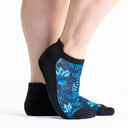
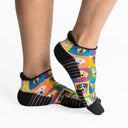
Fit isn't only about size. Sock height matters, too. Some people love the coverage of knee-high compression socks, while others prefer a lower profile for sneakers, casual outfits, warmer days, or everyday activities. That's where Viasox ankle compression socks give you another option.
Viasox Ankle Compression Socks provide uniform 14 mmHg compression from the toes to just above the ankle, compared with the graduated compression found in the full-length Viasox Compression collection. They also feature breathable materials, extra padding, and a seamless toe design.
In other words, choosing compression socks doesn't mean every pair in your drawer needs to look or feel the same. You can build a rotation around what you're wearing, what you're doing, and what feels comfortable to you.
Getting a Better Compression Sock Fit
Before giving up on compression socks because one pair feels too tight, check a few basics.
Start with the size chart rather than guessing your size. Make sure the fabric is distributed smoothly instead of twisted, folded, or bunched. Consider whether ankle or knee-high coverage better fits your preferences. Replace older pairs when they no longer fit or feel the way they originally did.
Most importantly, don't treat discomfort as proof that a compression sock is "working harder." A good compression sock should combine a snug fit with wearability.
Find Your Fit With Viasox
The best compression socks aren't simply the tightest ones you can find. They're the ones you can confidently work into your actual routine. Whether that means getting dressed for work, heading out for a walk, packing for a trip, spending a busy weekend on your feet, or simply getting through your everyday to-do list, comfort matters.
That's why Viasox offers both full-length Compression Socks and Ankle Compression Socks, with plenty of colors and patterns to make choosing your next pair more fun. Compression should feel supportive—not like a battle between you and your sock drawer.
Find the fit, height, and Viasox style that works for your day.